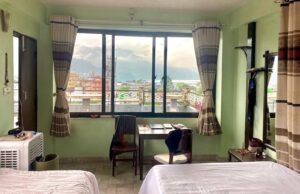
Finding a place to stay for a few nights is easy. Finding somewhere you can actually live for a month (or three or six) is a different story.
One of the biggest challenges of living between places is finding the right temporary home. Before I commit to a place, I have a list of practical things I check. Some are obvious. Others I’ve learned through experience.
I’m in a great Facebook group called Digital Nomads Over 50, and one of the most repeated questions is how to find a temporary home for a month or longer. That prompted me to write this post.
I’ve also written a more personal post about How I Choose My Temporary Home, where I talk more about what makes a place feel like home and why the neighborhood often matters more to me than the apartment itself.
This post is the practical version: what I actually check before I stay somewhere new.
1. Location
I like to walk. But I don’t want to have to walk more than 20 minutes for the essentials. Since I’m working, there are days when I know I won’t have time to cook, so I need to be able to pop out and eat lunch or dinner.
If I’m only going to be somewhere for two weeks, I don’t mind staying in town where the action is—especially if it’s the first time I’ve been there. But for longer stays in places I have already visited, I usually choose to stay a little more local.
One of the best things about returning to a place I’ve visited previously is that I know the area better. When I’m somewhere for the first time and I know I will return, I look around and ask about rooms or homes for rent. Sometimes I make a point to visit and get the owner’s contact.
A great way to find places to rent is through local Facebook groups.
Before I book, I check:
✔︎ Can I walk to groceries?
✔︎ How far is the nearest market?
✔︎ Can I walk to cafés or places to eat?
✔︎ How far is public transportation?
✔︎ Can I get to the places I’ll visit regularly without relying on taxis?
✔︎ What is the local form of transport, and is it reliable, affordable, and easy to find?
For me, how to choose a temporary home abroad starts with the location. A beautiful apartment in the wrong location can quickly become a pain.
2. The Neighborhood
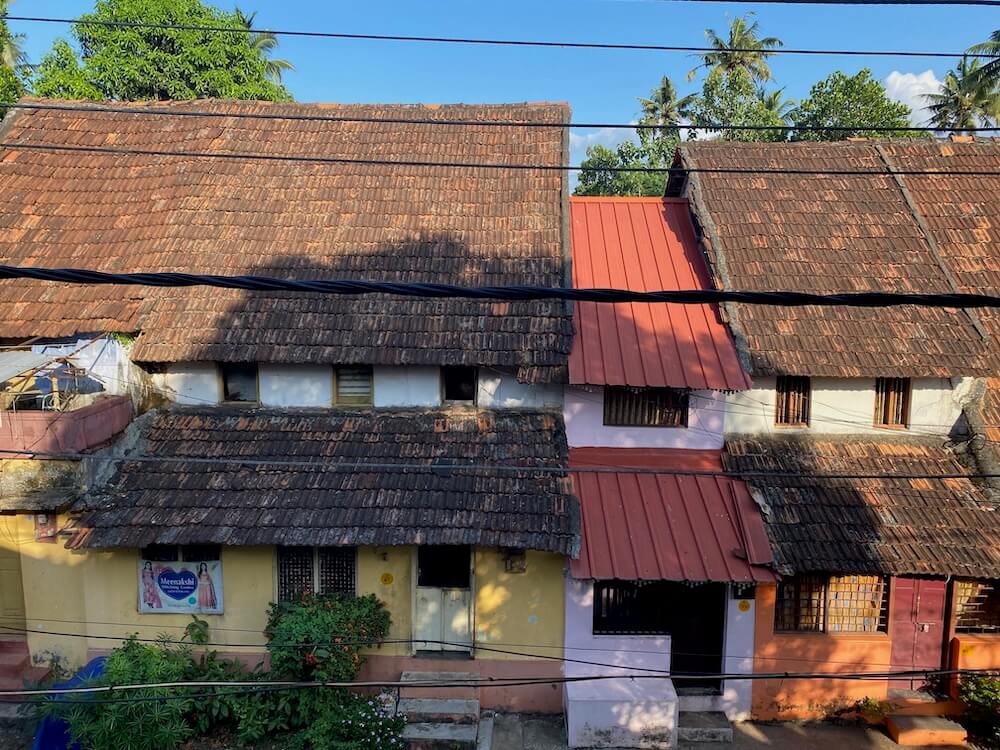
I wrote more about this in my post about How I Choose My Temporary Home. If you don’t know anything about the city or town, then do some research online.
Local Facebook groups are great for this. Most cities have pages where expats and long-term visitors communicate and share information. I belong to several of these groups, and they are excellent for up-to-date information, as well as local tips and inquiries about different neighborhoods.
I’m not looking for the trendiest neighborhood or the one everyone tells tourists to visit. I want somewhere where I can settle into everyday life.
I ask:
✔︎ Does this feel like a place where people actually live?
✔︎ Can I walk around comfortably?
✔︎ Are there everyday businesses nearby?
✔︎ Is there a place for laundry within walking distance?
✔︎ Is there a market?
✔︎ Is there somewhere to walk?
✔︎ What happens after dark?
✔︎ Does the neighborhood match the lifestyle I want?
This is one of the biggest differences between choosing a place for a vacation and choosing accommodation for long-term travel. I’m not just asking, “Would I enjoy staying here?”
I’m asking, “Would I enjoy living here?”
3. The Actual Apartment
I have a confession: I’m a design snob, and I like beautiful things.
Like I mentioned in my post How I Choose a Temporary Home, I stay home a lot, and I need a place that is somewhat aesthetically pleasing. That doesn’t mean I need all the trendy design touches and appliances. I just need a place that is free of clutter and clashing colors.
The furniture must be functional and comfortable enough for me to relax and read a book. I also require a normal-height desk or table to work. I don’t use co-working spaces.
Since I’m on a budget and a big chunk of that budget goes toward rent, it takes me some time to find the right place.
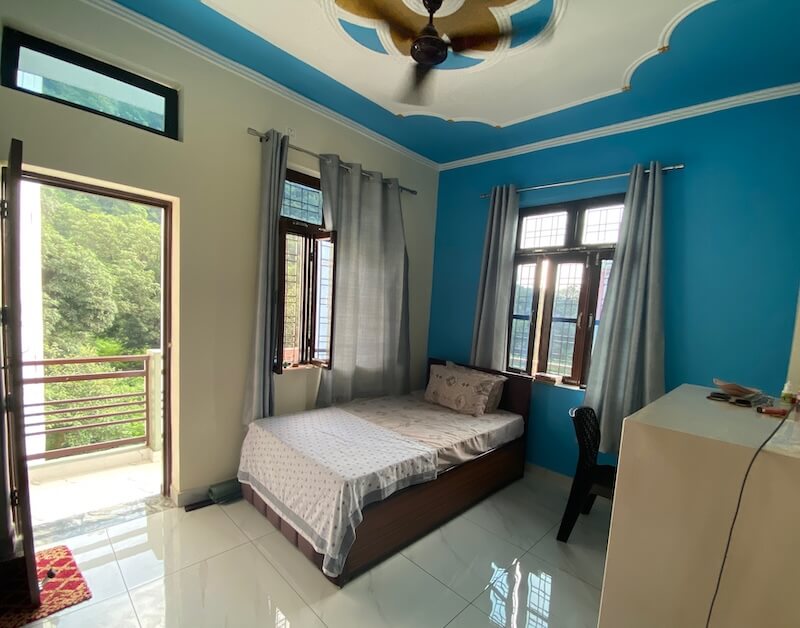
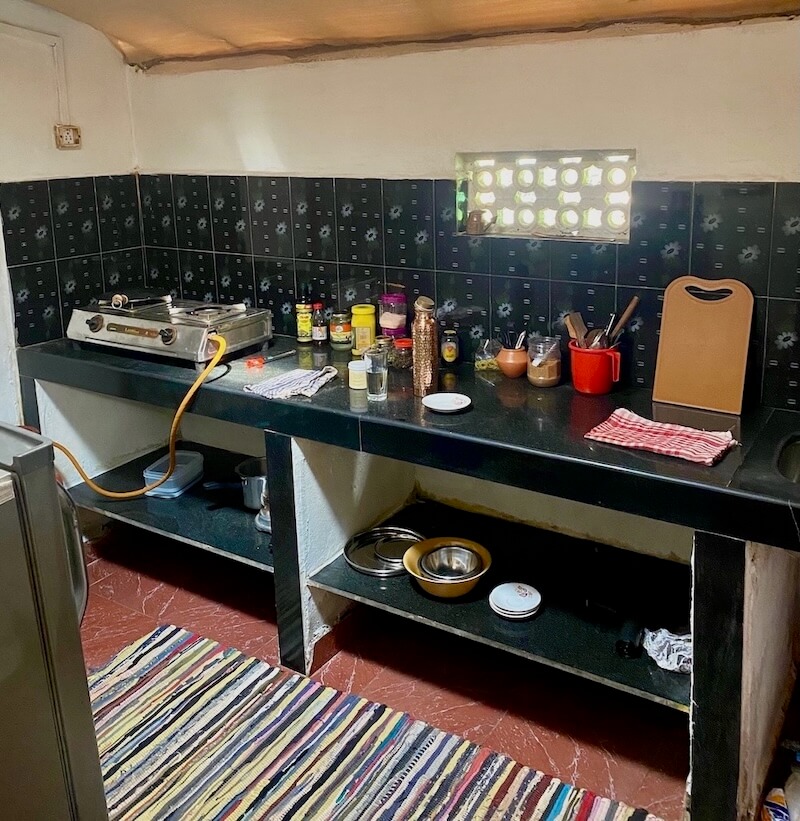
Things I look for and inquire about include:
✔︎ Does it have natural light?
✔︎ Is there somewhere comfortable to sit?
✔︎ Is there an outdoor space to sit and have coffee?
✔︎ Is there a space where I can do yoga?
✔︎ Is the kitchen functional?
✔︎ Is there adequate ventilation?
✔︎ Is there a table or desk if I need to work?
✔︎ Is the bed comfortable?
✔︎ Does the space feel like somewhere I could actually spend several weeks?
Photos can tell you a lot, but they can also leave out a lot. A beautifully photographed apartment isn’t necessarily a comfortable apartment.
4. The Practical Questions I Ask the Host
Once I find a place that looks promising, I start asking questions.
For me, the most reliable way to get information is to message the owner directly. In addition to making it clear what your needs are, you will have a record of communication in case there are problems when you arrive and need to move. You can usually get a pretty good feel for the owner or manager based on how they respond.
If any of my questions go unanswered, I follow up and ask again. Basically, I want to do everything I can to avoid having problems when I arrive.
And as you can see in the images below, there definitely can be misunderstandings and miscommunication.
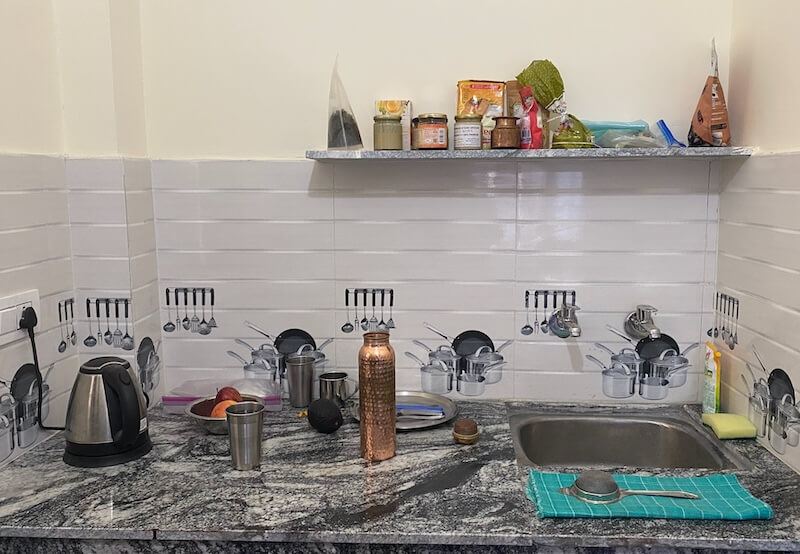
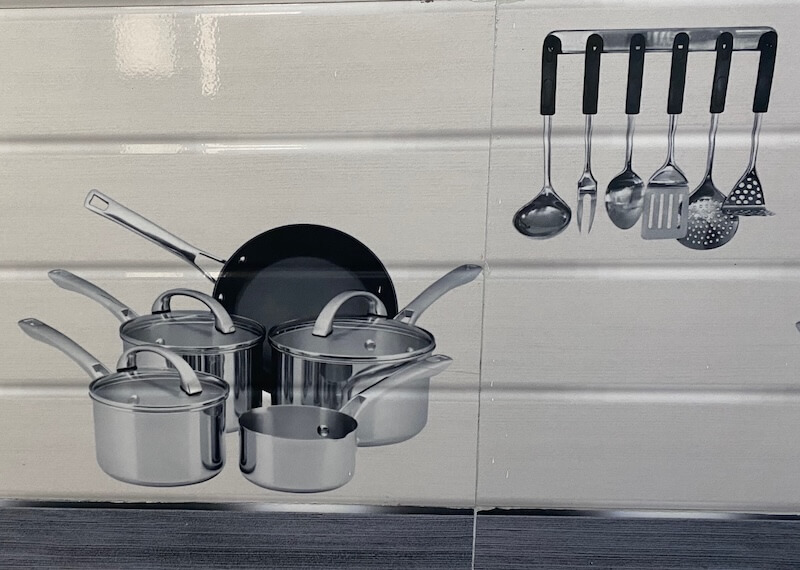
I also pay attention to how the owner or manager responds. Are they direct? Do they actually answer my questions? Do they seem willing to help? If I’m asking several basic questions and getting vague answers, that’s something I pay attention to.
Some of the things I ask:
✔︎ Is the Wi-Fi reliable and fast enough for video calls?
✔︎ Is there construction nearby?
✔︎ Is the apartment noisy at night?
✔︎ Is there hot water?
✔︎ Is there an outdoor space I can use to dry clothes, do yoga, etc.?
✔︎ How often is the apartment cleaned?
✔︎ Is there anything I should know about the neighborhood?
These questions may seem excessive when you’re looking at a place online. They seem much less excessive when you’re sitting in an apartment at 7 a.m. listening to construction next door.
5. Noise, Internet & Utilities
Some of the things that can make a place unlivable aren’t always obvious from the photos.
Noise
The world is noisy.
It feels like there is construction everywhere these days. People have normalized talking on speakerphone anywhere they please. There are horns, motorbikes, music, karaoke (Vietnam, I’m talking about YOU!), vendors with megaphones, thin walls….
If you travel, you know what I’m talking about.
Never assume a quiet-looking street is actually quiet!
If you are actually in the city or town where you are looking, you can visit the property at different times of day to see if there is noise. If not, you need to send the owner a message specifically asking questions about noise levels.
Here are a few questions to start with:
✔︎ Is the apartment on a busy street?
✔︎ Is there a bar or restaurant underneath?
✔︎ Are there schools, churches, or construction nearby?
✔︎ What do reviews say about noise?
✔︎ What is the neighborhood like at night?
✔︎ Is the bedroom facing the street?
✔︎ Who do you share a wall with?
I can’t overstate the value of reading the reviews! You can use the search functions on sites like Airbnb and Booking. I always filter for the most recent reviews. Then I filter for terms like noise, quiet, and construction.
But I also message the owner directly. If I’m specifically concerned about noise, I want a specific answer.
Internet & Utilities
This is more for longer-term travelers.
I’ve found that those of us who have the means to travel often come from places where we are so separated from nature that we take access to electricity and water for granted.
Many of the places I travel to have occasional electricity outages. Sometimes there is a backup generator, but not always. Additionally, rates for electricity can vary widely depending on the country.
Before I commit to a longer stay, I ask:
✔︎ Is Wi-Fi included?
✔︎ Do reviews mention reliable internet?
✔︎ Is there hot water?
✔︎ Is there air conditioning or heating if needed?
✔︎ Are there frequent power outages?
✔︎ Is water reliable?
✔︎ Who pays the utilities?
✔︎ Is there a backup plan if something stops working?
These are the kinds of details that matter when you’re figuring out what to look for in a temporary home.
6. Money
When you’re staying somewhere for a few nights, the price you see is usually the price you think about. When you’re staying somewhere for a month or longer, there can be a lot more to consider.
I’m on a budget, so I want to know what I’m actually going to spend before I commit to a place. A monthly rental that looks like a good deal can become less appealing once you add utilities, cleaning fees, deposits, or other charges.
Before I book, I want to know:
✔︎ What is the total cost for the length of my stay?
✔︎ Are utilities included?
✔︎ Is there a cleaning fee?
✔︎ Is there a security deposit?
✔︎ Are there any other additional fees?
✔︎ Is there a discount for staying a month or longer?
✔︎ Does the price change depending on the season?
✔︎ What happens if I need to leave early?
I also look at the cost of the area itself. An inexpensive apartment isn’t necessarily inexpensive if I have to take taxis everywhere or eat out because there aren’t affordable places nearby.
For me, the real cost of a temporary home is more than just the rent.
7. Where I Look for a Temporary Home
There isn’t one place I always use. In fact, I usually look in several places before making a decision. If I’m returning to a place I’ve lived in before, I often start with people I know there. I’ll ask around, look for rental signs, and ask friends or acquaintances if they know of anything available.
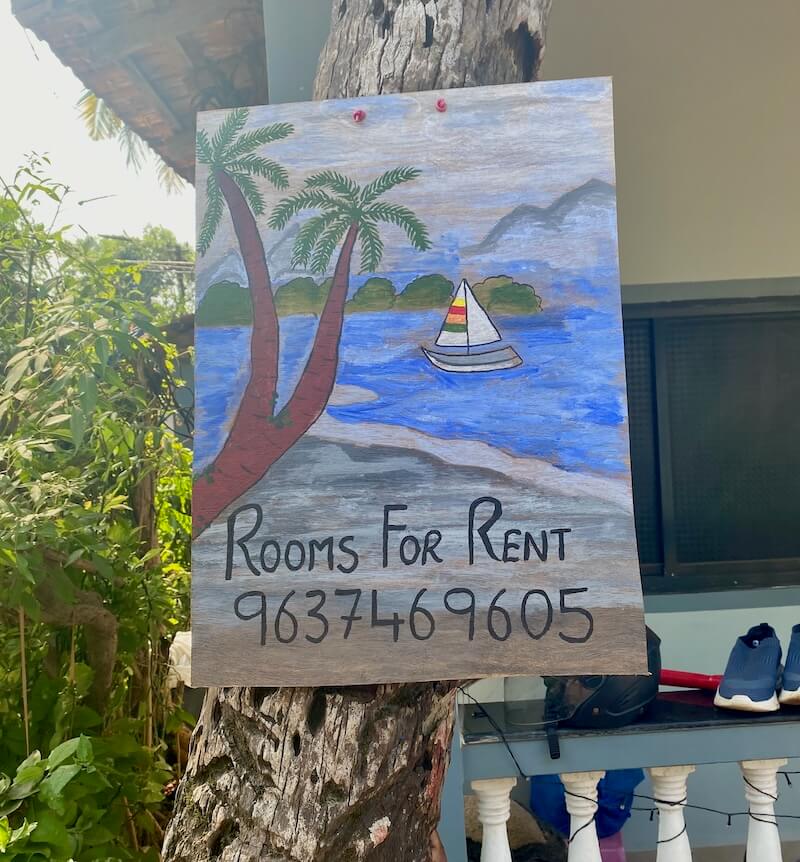
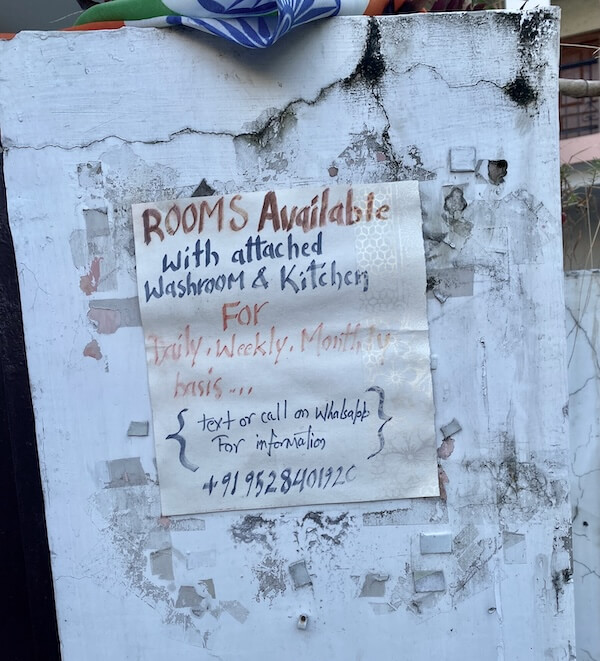
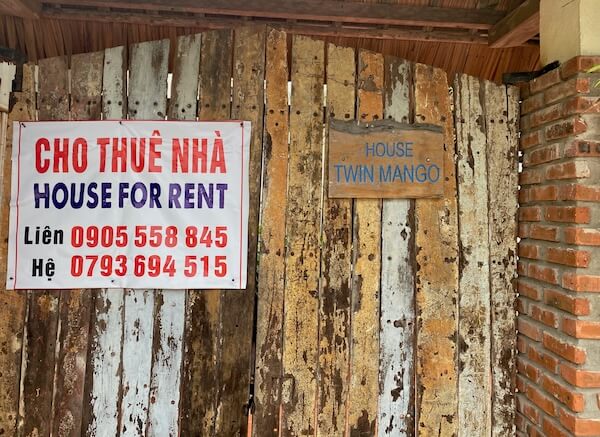
I also look at local Facebook groups. These can be particularly useful for monthly rentals and places that aren’t necessarily listed on the big accommodation websites.
For a place I’ve never visited before, I usually start online and then try to get as much local information as possible before committing. And if I’m able to visit a city before deciding where I’ll live, I prefer that. You can learn a lot by simply walking around a neighborhood.
My basic strategy is:
Research online → identify a few neighborhoods → look at actual rentals → ask questions → check the area → compare the total cost → then decide.
I don’t want to choose my temporary home based on photographs alone.
8. My Red Flags
Cultural differences in style and practicality can definitely cause problems and misunderstandings. I’ve become pretty good at reading descriptions and judging a place by the photos.
An example of this is the use of the word “modern”—it’s subjective and vague.
In my experience, “modern” often means cold white walls with cheap “modern” furniture. It can seem like people actually furnish a place solely for the pictures or with a tourist in mind rather than a long-term traveler.
Westerners complain a lot about cleanliness, so maybe the attempt at “modern” is supposed to look clean. To me, it’s uncomfortable and unlivable.
I pause when:
- Every photo is carefully styled, but there are no photos of the bathroom or kitchen.
- Reviews repeatedly mention noise.
- The listing is vague about Wi-Fi.
- The owner doesn’t reply to my inquiries in a direct manner or address my questions or concerns.
- The apartment looks beautiful, but there’s nowhere comfortable to sit.
- The location looks great until you realize everything requires a taxi.
- The reviews are full of comments about problems that the host hasn’t addressed.
None of these things automatically means I won’t rent a place. But they make me ask more questions.
9. My Final Test
Can I imagine living an ordinary day here?
Not sightseeing. Not vacationing. Living.
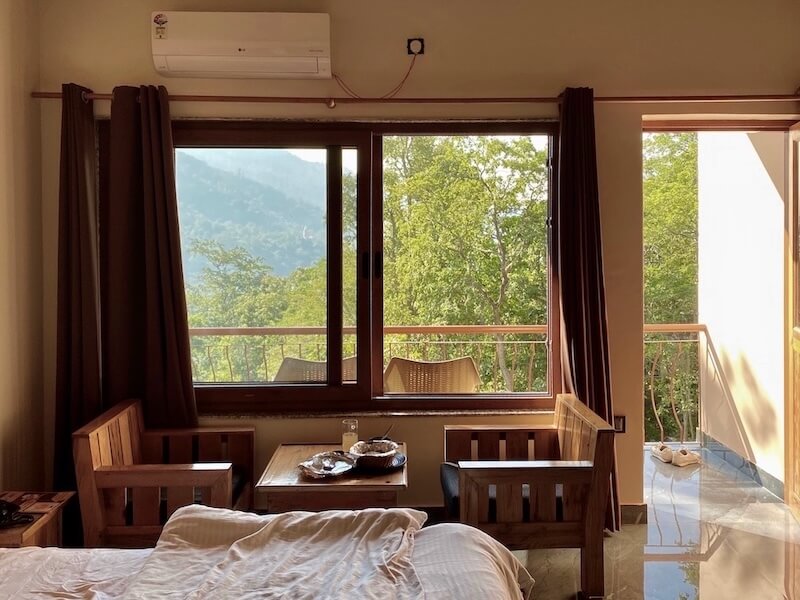
Can you imagine waking up, making coffee, buying groceries, cooking dinner, going for a walk, doing yoga, working, reading, and going to bed? Can you imagine doing all of those ordinary things here for a month?
If yes, you may have found your temporary home.
FAQs
How do I choose a temporary home abroad?
Start with the location rather than the apartment. Think about what you will need on an ordinary day: groceries, transportation, cafés, laundry, places to walk, and somewhere you can work or relax. Then look closely at the apartment, ask the host specific questions, check reviews, and calculate the total cost of your stay.
What should I look for in a temporary home?
Look for a comfortable, functional space in a neighborhood where you can manage your everyday life. Natural light, a comfortable place to sit, a functional kitchen, reliable internet, hot water, reasonable noise levels, and access to groceries and transportation are all important to me.
How do I find a place to stay for a month?
I look at several sources rather than relying on one website. Local Facebook groups, personal contacts, rental listings, and accommodation websites can all be useful. If possible, spending some time in the area before committing to a longer rental can also help.
What should I check before booking a long-term rental?
Check the location, neighborhood, noise levels, internet, water and electricity, furniture, kitchen, workspace, total cost, utilities, deposits, cleaning fees, and cancellation or early-departure policies. Most importantly, ask questions before you book and pay attention to how the owner responds.
What is the difference between vacation accommodation and a temporary home?
Vacation accommodation only needs to work for a few days. A temporary home needs to work for your everyday life. You need to think about things like grocery shopping, laundry, cooking, working, sleeping, transportation, noise, and whether you actually enjoy spending time there.